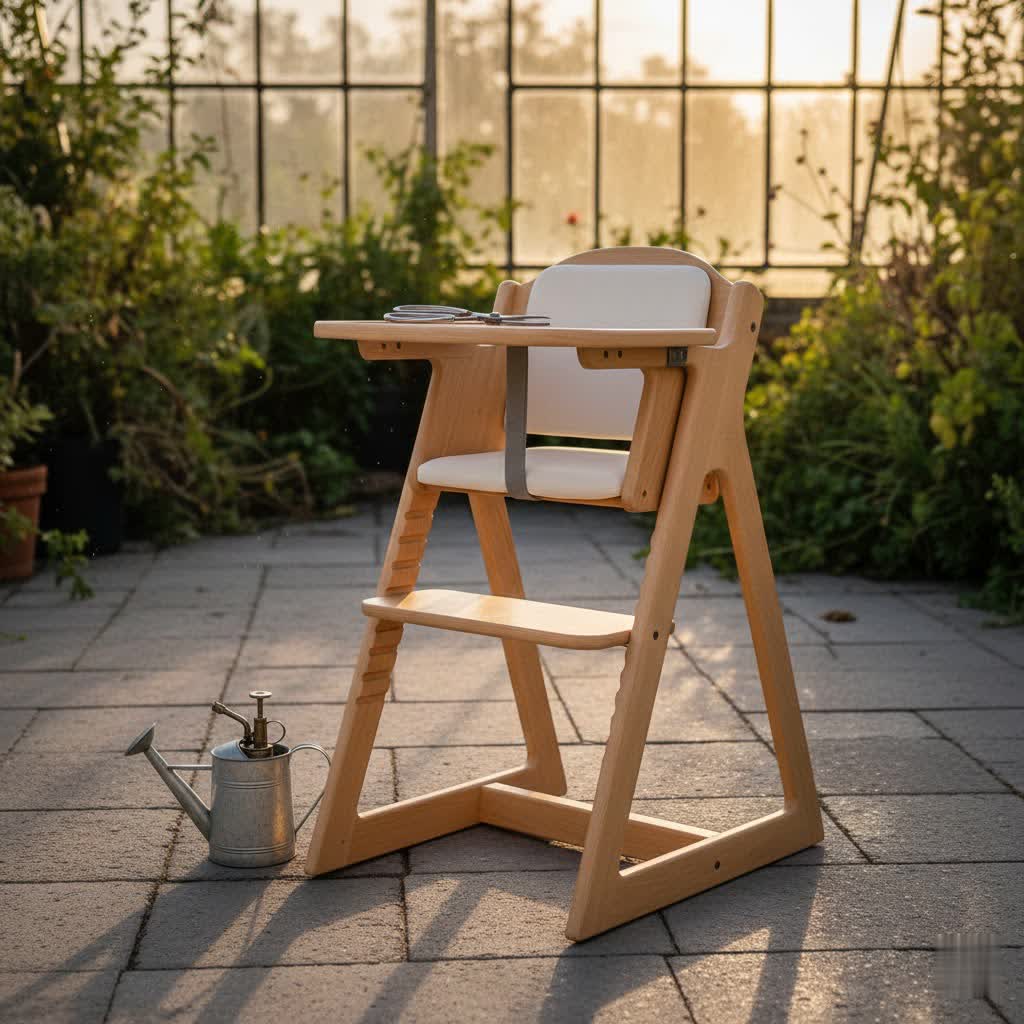
Welcoming a new baby into your home is an exciting journey, and among the many essentials you’ll need, a baby high chair stands out as a true game-changer. It’s more than just a piece of furniture; it’s a dedicated space for your little one to join family mealtimes, explore new flavors, and develop crucial independence. But with a dizzying array of models, features, and price points available, how do you navigate the choices to find the perfect baby high chair for your family’s unique needs?
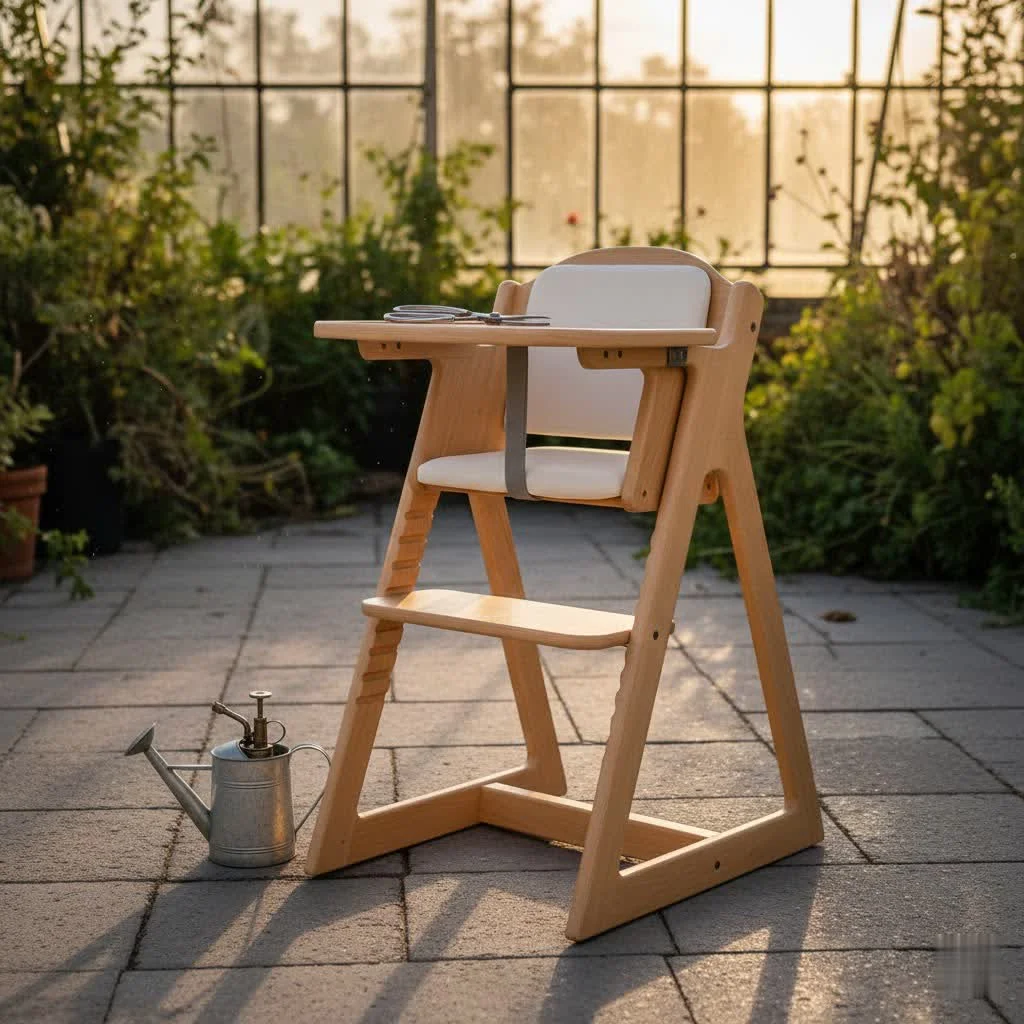
As an Admin of ReviewRDMS.com with over a decade of hands-on experience evaluating countless high chairs, I’ve seen firsthand how the right chair can transform chaotic mealtimes into joyful bonding experiences. This comprehensive guide will walk you through everything you need to know, from understanding different types and essential safety features to selecting, using, and maintaining your baby’s ideal dining companion. For explore our baby reviews on this site.
Understanding the Types of Baby High Chairs
High chairs have evolved far beyond basic seating, now offering innovative designs tailored to various lifestyles and budgets. Knowing the different categories will help you narrow down your search.
Premium and Convertible High Chairs
These chairs are designed for longevity, adapting to your child’s growth from infancy through toddlerhood, and sometimes even into adulthood. They often feature robust construction, sophisticated aesthetics, and multiple configurations.
- Pros: Exceptional long-term value, grows with your child (often converting from a reclined infant seat to a traditional high chair, booster seat, and even a youth chair), often made with high-quality, durable materials.
- Cons: Can be a significant upfront investment, may have a larger footprint, not always designed for quick folding or portability.
- Popular Features: Multi-position recline for newborns, adjustable height settings, removable and dishwasher-safe trays, easy-to-wipe seating, and strong, stable bases. Brands like Stokke Tripp Trapp, Mockingbird, and Peg Perego Siesta are renowned for their versatility and ergonomic designs, allowing children to be comfortably positioned at the family table for years. The Stokke Tripp Trapp, for instance, can support up to 300 pounds and integrates seamlessly into many home aesthetics.
Folding and Space-Saving High Chairs
For families living in smaller homes or apartments, or those who simply prefer to tuck away baby gear when not in use, folding high chairs are an excellent solution.
- Pros: Compact storage, lightweight and easy to move, ideal for small living spaces, often more budget-friendly.
- Cons: May offer fewer features than premium convertible models, some may prioritize portability over plush comfort.
- Key Selection Criteria: Look for a high chair that folds easily with one hand, stands independently when folded, and has a truly compact footprint. Features like machine-washable seat pads and dishwasher-safe trays are crucial for maintaining hygiene when space is at a premium. The Graco Slim Snacker and Joovy Nook are great examples, known for their easy fold and practical features.
Booster and Hook-On Chairs
|
Our Picks for the Best High Chair in 2026
As an Amazon Associate I earn from qualifying purchases.
|
||
| Num | Product | Action |
|---|---|---|
| 1 | Graco Made2Grow 5-in-1 Convertible Highchair, Adjustable Baby to Toddler Seat, Hudson |

|
| 2 | Chicco Zest 4-in-1 Folding High Chair, Feeding Chair, Toddler Chair and Youth Stool, Multi-Use Easy Clean High Chair - Seasalt/Grey |
|
| 3 | Graco Slim Snacker High Chair, Ultra Slim, Fast-Folding, Multiple Recline Positions, Comfortable Feeding, Whisk |
|
| 4 | Mallify Convertible High Chairs for Babies and Toddlers, Height Adjustable Baby High Chair, High Chair with Removable Tray, Adjustable Backrest, Portable Baby Dinning Chair with Lockable Wheels |
|
| 5 | Graco EveryStep 6 in 1 High Chair, Babies and Toddlers Portable Slim High Chair with 6 Growing Stages from Infant to Toddler Seating, Convenient for Dining Time, Featured Design in Misty |
|
| 6 | Evenflo Eat and Grow 4-in-1 Convertible High Chair (Pop Star White) |
|
| 7 | Evenflo Eat and Grow 4-in-1 Convertible High Chair (Prism Triangles) |
|
| 8 | Chicco Zest 4-in-1 Folding High Chair, Feeding Chair, Toddler Chair and Youth Stool, Multi-Use Easy Clean High Chair - Capri/Blue |
|
| 9 | Chicco Zest LE 4-in-1 Folding High Chair, Feeding Chair, Toddler Chair and Youth Stool, Multi-Use Easy Clean High Chair - Chai/Beige |
|
| 10 | Chicco Zest LE 4-in-1 Folding High Chair, Feeding Chair, Toddler Chair and Youth Stool, Multi-Use Easy Clean High Chair - Crema/White |
|
These alternatives provide flexible seating solutions, particularly for travel, dining out, or as your child outgrows a full-size high chair.
- Booster Seats: These attach securely to an adult dining chair, elevating your child to table height. Many models offer adjustable height and trays.
- Pros: Highly portable, space-saving, allows child to sit directly at the table with the family, more affordable.
- Cons: Requires a sturdy adult chair, typically for older babies and toddlers who have good trunk control.
- Hook-On Chairs: These chairs clamp directly onto most dining tables, providing a secure and intimate dining experience.
- Pros: Excellent for travel, highly compact, promotes inclusion at the dining table, very quick to set up and take down.
- Cons: Not compatible with all table types (e.g., glass, pedestal, or very thick tables), table stability is critical, and parental supervision is paramount.
Choosing the Right Baby High Chair: Your Essential Buying Guide
Selecting a high chair is a big decision, impacting your baby’s safety, comfort, and mealtime enjoyment. Consider these critical factors.
Essential Factors to Consider
- Safety and Stability: This is non-negotiable. Look for a high chair with a wide, sturdy base that prevents tipping. If it folds, ensure it locks securely in place. A 5-point harness (securing shoulders, waist, and crotch) is crucial to prevent your child from climbing out or slipping down.
- Material and Ease of Cleaning: Mealtimes are messy! Choose materials that are easy to wipe clean, such as plastic, smooth wood, or wipeable fabrics. Removable, dishwasher-safe trays and machine-washable seat pads will be your best friends. Avoid chairs with too many crevices where food can get trapped.
- Adjustability: A high chair that grows with your child offers the best value. Look for adjustable seat heights to fit various tables, reclining options for younger babies, and an adjustable footrest to support proper posture (hips, knees, and ankles at a 90-degree angle).
- Size and Footprint: Measure your dining area. Do you have ample space for a traditional high chair, or do you need a compact, folding, or hook-on model?
- Durability and Quality: Investing in a well-made high chair ensures it will withstand daily use and last through multiple children, or retain value for resale.
Expert Advice for Parents
- Prioritize Safety Certifications: Always check for certifications like JPMA (Juvenile Products Manufacturers Association) in the US, which ensures the product meets established safety standards.
- Check Materials: Opt for high chairs made from non-toxic, BPA-free materials to protect your baby from harmful chemicals.
- Inspect All Parts: Before and after assembly, thoroughly check for any gaps where tiny fingers or feet could get pinched, sharp edges, or loose screws.
- Consider Footrests: A proper footrest is vital for your baby’s comfort and stability, aiding in better posture and reducing fidgeting during meals.
- Look for a Removable Tray: A tray that can be easily removed allows you to bring your baby right up to the dining table, fostering family connection.
“A well-chosen high chair isn’t just about feeding; it’s about fostering independence, encouraging social interaction, and making mealtimes a positive, engaging experience for your child.” – Admin, ReviewRDMS.com
Usage and Cleaning: Maximizing Your High Chair’s Lifespan
Once you’ve chosen your baby’s high chair, understanding how to use it safely and maintain it properly is key.
Assembly, Adjustment, and Safe Use
- Follow Instructions: Always assemble your high chair strictly according to the manufacturer’s guidelines. Double-check all locks and connections.
- Proper Positioning: Ensure your baby is seated upright with their back fully supported. The tray should be at chest height, and their feet should be supported by a footrest. This optimal position promotes safe swallowing and comfort.
- Always Use the Harness: Secure your child in the 5-point harness every single time, even for quick snacks. A snug fit prevents them from wiggling out or standing up.
- Supervision is Key: Never leave your child unattended in a high chair. Accidents can happen quickly.
- Placement Matters: Keep the high chair a safe distance from walls, counters, and other surfaces that your child could push off of and potentially tip the chair. Also, keep it away from stoves, ovens, and other hot appliances.
Cleaning and Maintenance Tips
- Wipe Down Immediately: The easiest way to keep your high chair clean is to wipe up spills and food residue right after each meal.
- Removable Parts: Take advantage of removable and dishwasher-safe trays and machine-washable seat covers for deeper cleaning.
- Safe Cleaning Products: Use mild soap and water or baby-safe cleaning wipes. Avoid harsh chemicals that could irritate your baby’s skin or be ingested.
- Regular Inspections: Periodically check all straps, buckles, screws, and moving parts for wear and tear, and tighten anything that feels loose. This ensures continued safety and extends the life of your high chair.
Conclusion
Choosing the ideal baby high chair is an investment in your child’s mealtime experience and overall development. By prioritizing safety, ease of cleaning, adjustability, and durability, you can select a chair that not only meets your family’s practical needs but also creates cherished moments around the dining table. Whether you opt for a versatile convertible model, a space-saving folder, or a portable booster, the perfect high chair will empower your little one to join in the joy of family meals, fostering independence and healthy eating habits from an early age.
What unique mealtime traditions will you create with your baby in their new high chair?
Frequently Asked Questions
When can my baby start using a high chair?
Most babies are ready for a high chair when they can sit up unassisted, typically around 6 months of age. Some convertible high chairs offer reclined positions suitable for newborns, but for solid feeding, your baby needs good head and neck control and the ability to sit upright.
Are wooden or plastic high chairs safer?
Both wooden and plastic high chairs can be safe, provided they meet current safety standards and have a secure 5-point harness. The choice often comes down to aesthetics, ease of cleaning, and desired features. Plastic chairs tend to be lighter and easier to wipe, while wooden chairs often offer a more classic, integrated look.
How do I know if a high chair is stable?
Look for a high chair with a wide base, where the legs spread out further than the seat. This design provides better stability and reduces the risk of tipping. If the chair has wheels, ensure they have reliable locking mechanisms.
Can I use a booster seat instead of a high chair?
Booster seats are excellent for older babies and toddlers who have strong trunk control and can sit up securely. For younger babies just starting solids, a full high chair typically offers more support, stability, and safety features like a deeper recline and higher backrest.
How often should I clean my baby’s high chair?
Ideally, you should wipe down the high chair’s tray and seat after every meal to prevent food from drying and bacteria buildup. A deeper clean of all removable parts should be done regularly, especially if your baby is a messy eater.
What’s the benefit of an adjustable footrest?
An adjustable footrest is crucial for proper ergonomic positioning. It allows your baby to sit with their hips, knees, and ankles at a 90-degree angle, providing stability and comfort. This secure posture can also aid in swallowing and reduce fidgeting during meals.
What should I do if my high chair has been recalled?
If your high chair has been recalled, stop using it immediately. Contact the manufacturer according to the recall notice for instructions on returning the product, receiving a repair kit, or getting a refund. Always check recalls.gov periodically for updates on baby product safety.
Get our weekly buyer guide
Practical specs, not advice. Unsubscribe anytime.
