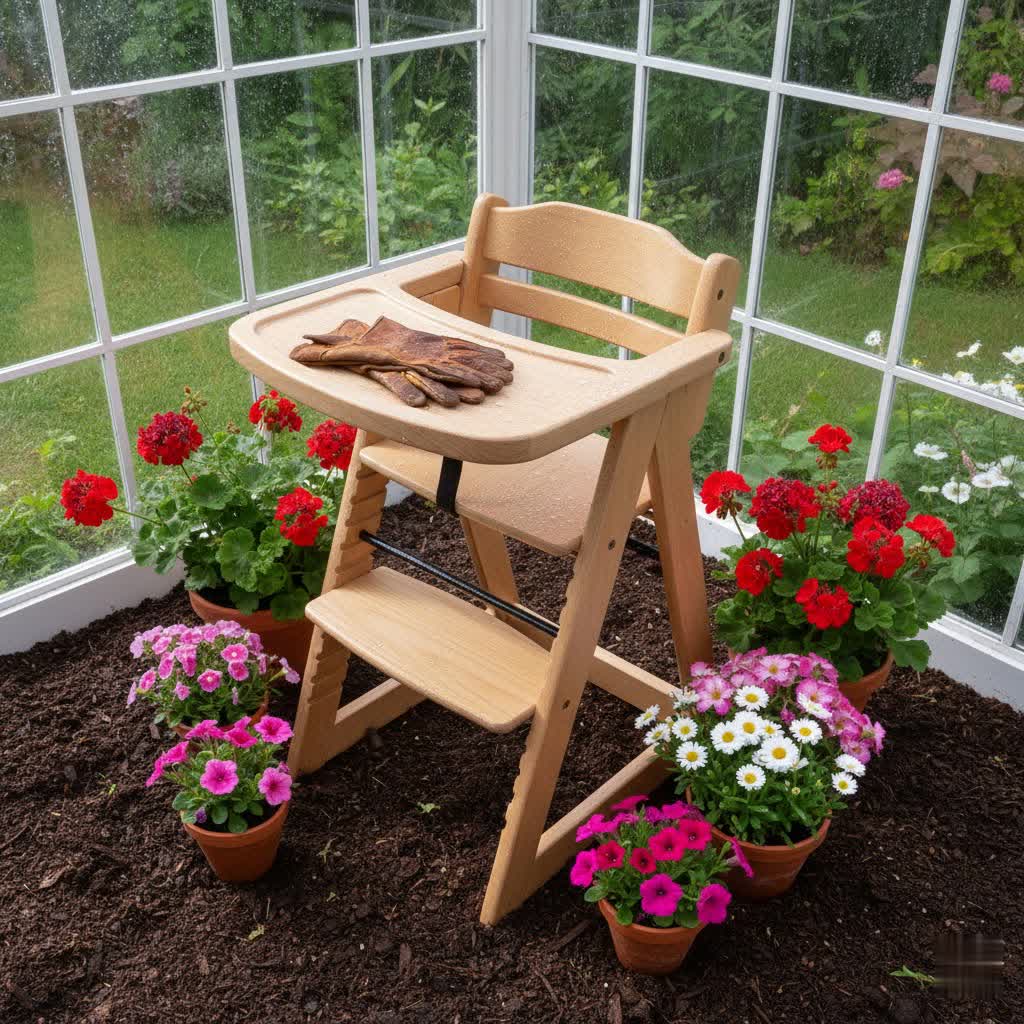
Bringing a new baby home marks the beginning of countless joys, and soon enough, the exciting, albeit messy, adventure of introducing solid foods. A high-quality infant high chair isn’t just another piece of baby gear; it’s a vital tool that fosters healthy eating habits, promotes proper posture, and integrates your little one into family mealtimes. With so many options available, finding the best infant high chair that ensures safety, comfort, and convenience can feel overwhelming. This comprehensive guide, informed by extensive testing and expert advice, will help you navigate the choices and select the perfect high chair for your growing family.
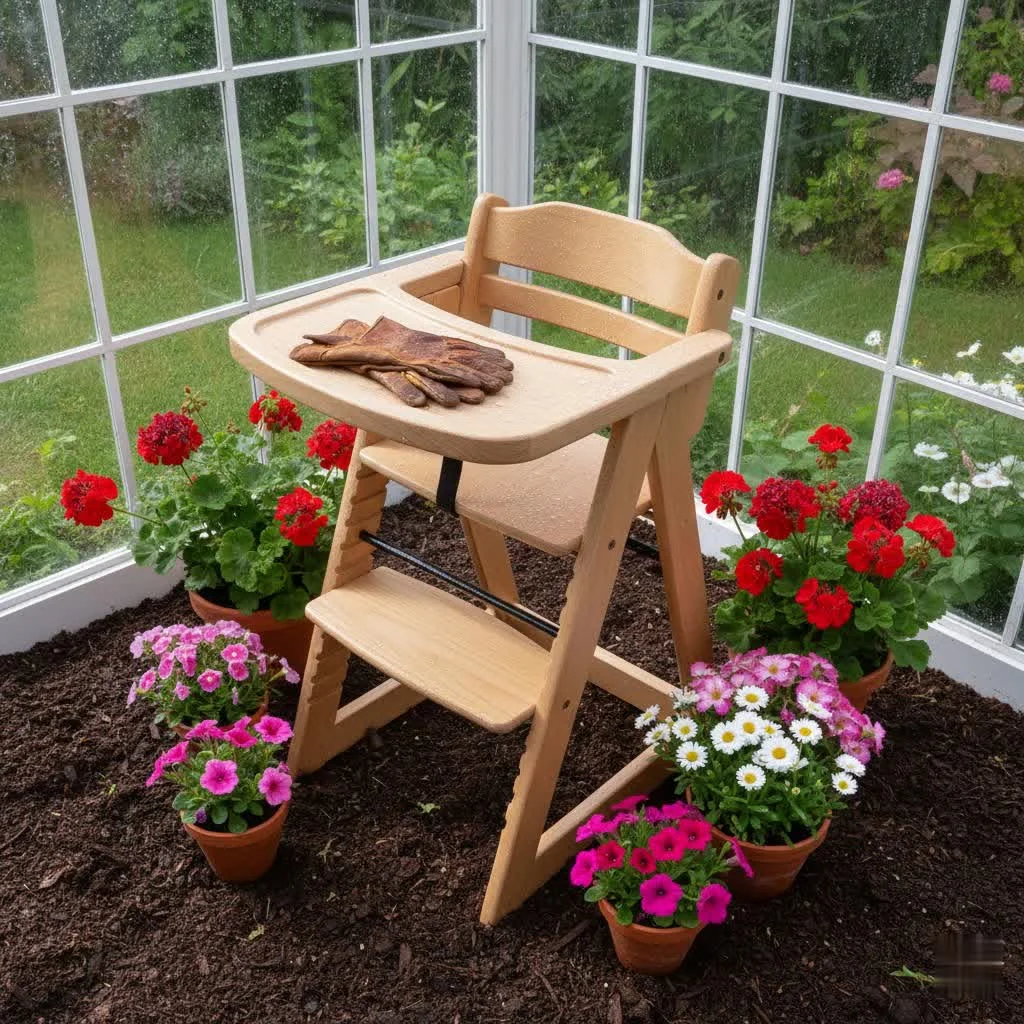
Popular Types of Infant High Chairs
High chairs come in various designs, each offering unique benefits to suit different lifestyles and needs. Understanding these types will help you narrow down your search.
Premium/Heirloom High Chairs
These high chairs are designed for longevity, often transitioning from infancy through adulthood. They prioritize durable materials and classic aesthetics.
- Pros: Exceptional durability and quality, often made from sustainable materials like wood, multi-stage use (can support adults), strong resale value, and stylish designs that blend with home decor.
- Cons: Typically come with a higher price tag, can be heavier and less portable, and assembly might be more involved initially. Some models may have straps that stain easily or textured trays that make suction bowls less effective.
- Key Features: Tool-free adjustments for seat and footrest height, robust construction, and ergonomic support.
- Notable Brands: The Stokke Tripp Trapp and Abiie Beyond Wooden High Chair are highly praised for their quality and ability to adapt to various life stages, often accommodating weights up to 250-300 pounds.
Convertible/Multi-Stage High Chairs
Designed to evolve with your child, these versatile high chairs offer multiple configurations from infancy to toddlerhood and beyond, making them a cost-effective choice in the long run.
- Pros: Excellent value for money as they adapt through several stages (infant recliner, traditional high chair, booster seat, youth chair, and sometimes even a learning tower or step stool), reducing the need for multiple purchases. Many offer easy-to-clean features like machine-washable fabrics and dishwasher-safe trays.
- Cons: Can be bulkier and take up more floor space, conversion between modes might require some effort, and some features like learning towers may not always be ideally designed.
- Key Features: Multiple recline positions for infants, adjustable height and footrests, easy-to-switch configurations, and often a five-point harness for safety.
- Suitable For: Families seeking a long-term solution that grows with their child, from early solids to independent dining. The Graco EveryStep Slim 6-in-1 and Momcozy DinerPal are examples of highly convertible chairs that offer diverse seating options.
Foldable/Space-Saving High Chairs
|
Our Picks for the Best High Chair in 2026
As an Amazon Associate I earn from qualifying purchases.
|
||
| Num | Product | Action |
|---|---|---|
| 1 | Evenflo Eat and Grow 4-in-1 Convertible High Chair (Prism Triangles) |

|
| 2 | Chicco Zest 4-in-1 Folding High Chair, Feeding Chair, Toddler Chair and Youth Stool, Multi-Use Easy Clean High Chair - Capri/Blue |
|
| 3 | Graco Made2Grow 5-in-1 Convertible Highchair, Adjustable Baby to Toddler Seat, Hudson |
|
| 4 | Graco EveryStep 6 in 1 High Chair, Babies and Toddlers Portable Slim High Chair with 6 Growing Stages from Infant to Toddler Seating, Convenient for Dining Time, Featured Design in Misty |
|
| 5 | Graco Slim Snacker High Chair, Ultra Slim, Fast-Folding, Multiple Recline Positions, Comfortable Feeding, Whisk |
|
| 6 | Chicco Zest LE 4-in-1 Folding High Chair, Feeding Chair, Toddler Chair and Youth Stool, Multi-Use Easy Clean High Chair - Chai/Beige |
|
| 7 | Evenflo Eat and Grow 4-in-1 Convertible High Chair (Pop Star White) |
|
| 8 | Mallify Convertible High Chairs for Babies and Toddlers, Height Adjustable Baby High Chair, High Chair with Removable Tray, Adjustable Backrest, Portable Baby Dinning Chair with Lockable Wheels |
|
| 9 | Chicco Zest 4-in-1 Folding High Chair, Feeding Chair, Toddler Chair and Youth Stool, Multi-Use Easy Clean High Chair - Seasalt/Grey |
|
| 10 | Chicco Zest LE 4-in-1 Folding High Chair, Feeding Chair, Toddler Chair and Youth Stool, Multi-Use Easy Clean High Chair - Crema/White |
|
Ideal for compact living spaces or for families who need to store the high chair away between meals, these chairs emphasize portability and minimal footprint.
- Pros: Easy to fold and store, lightweight for effortless moving, often budget-friendly, and simple designs that are generally easy to wipe clean.
- Cons: May lack some advanced features of premium models, footrests might not be adjustable or present on all budget options, and some may feel less sturdy due to their lighter construction. Harness systems might also be basic (e.g., 3-point instead of 5-point).
- Key Features: Quick folding mechanisms, compact footprint when open and stored, and often a built-in cup holder on the tray.
- Considerations: Look for models with easy-to-remove trays and wipeable surfaces. The Munchkin Float and Chicco Zest 4-in-1 Folding Highchair are popular choices for their ease of folding and portability, often at an affordable price.
Comparison Table: Top-Rated Infant High Chairs
Choosing the perfect high chair involves weighing features against your specific family needs and budget. Here’s a comparison of some top-rated infant high chairs based on expert testing.
| High Chair Name | Key Feature(s) | Pros | Cons | Price Range | Ideal User |
|---|---|---|---|---|---|
| Stokke Tripp Trapp | Ergonomic, grows with child to adulthood | Heirloom quality, excellent posture support, sleek design | High price, harness can stain, tray sold separately, assembly takes effort | $300-$350 | Families seeking design, longevity, ergonomics |
| Abiie Beyond Wooden High Chair | Multi-stage, durable wood, compact footprint | Long-term use (up to 250 lbs), easy-to-clean cushion, small footprint | Heavier, harder to assemble initially | $200-$250 | Families wanting a durable, stylish, long-term chair |
| Graco EveryStep Slim 6-in-1 | 6 configurations (infant to toddler tower) | Highly versatile, compact fold, easy to convert, durable | Tray can be hard to clean (sections), wide step-up base needs supervision | $200-$250 | Families needing a versatile, space-saving, multi-use chair |
| Mockingbird High Chair | Easy to clean, ergonomic, modern design | Exceptionally easy to clean, simple footrest adjustment, sturdy | Tray requires two hands, bucket seat small for bigger toddlers, doesn’t fold or have wheels | $200-$250 | Parents prioritizing ease of cleaning and ergonomics |
| Evenflo RightSeat Multistage | Value-driven, ergonomic, small space friendly | Affordable, grows with child, compact design, easy to clean | Leg openings can be snug, tray is harder to remove/attach, limited footrest positions | Under $100-$200 | Budget-conscious families in small spaces |
Buying Guide: How to Choose the Best Infant High Chair
Selecting the ideal infant high chair requires a thoughtful assessment of several critical factors beyond just aesthetics or price.
Essential Factors to Consider
- Safety and Stability: This is paramount. Look for a high chair with a wide, stable base that resists tipping, as falls are a leading cause of high chair injuries. A five-point safety harness (including shoulder straps, waist straps, and a crotch strap) is crucial for keeping your baby secure. Ensure the crotch restraint is fixed to prevent slipping. The U.S. Consumer Product Safety Commission (CPSC) approved new mandatory safety standards for high chairs after June 19, 2019, so chairs manufactured after this date will meet enhanced requirements for stability and restraint systems. Products with Baby Safety Alliance verification offer an added layer of assurance.
- Ease of Cleaning: Babies are messy eaters! A good high chair should be easy to wipe down. Prioritize models with smooth surfaces, minimal crevices where food can get trapped, and wipeable or machine-washable seat cushions and straps. Dishwasher-safe trays or tray inserts are a significant bonus.
- Adjustability and Ergonomics: For optimal feeding and to reduce choking risks, babies and toddlers should sit in a “90-90-90” posture: ankles, knees, and hips all at 90-degree angles. This requires a high chair with an adjustable footrest and a seat that allows your child to sit upright with good back support. Adjustable height and tray depth also ensure comfort as your child grows and allows the chair to fit various table heights.
- Size, Footprint, and Portability: Consider your living space. If you have a small kitchen or dining area, a high chair with a compact footprint or one that folds for storage will be beneficial. If you plan to move the high chair frequently, look for lightweight options or those with smooth-gliding wheels that have reliable locking mechanisms.
- Durability and Longevity: A high chair is an investment often used multiple times a day for several years, possibly across multiple children. Chairs made from durable materials like wood or sturdy plastic will withstand daily use and cleaning. Convertible models that grow with your child offer excellent long-term value.
Expert Advice for High Chair Selection
“Developmental readiness—like sitting without support, intact head control, and starting solids—is more critical than age alone. Only upright feeding is safe for solids due to choking risk.” – Lyndsey Garbi, MD, Pediatrician
- Always Prioritize Upright Feeding: While some high chairs offer reclining positions for younger infants, these should only be used for bottle feeding, not solid foods, to minimize choking hazards.
- Check Certifications: Look for high chairs that comply with CPSC standards and ideally have Baby Safety Alliance verification for peace of mind.
- Gentle Cleaning: When cleaning, stick to mild dish soap and water. Harsh cleaners can potentially damage the integrity of the high chair’s materials, especially straps. Always follow the manufacturer’s cleaning instructions.
- Foot Support is Key: Ensure the chosen high chair provides a proper footrest. Dangling feet can make a baby uncomfortable, distracted, and less stable, affecting their ability to focus on self-feeding.
Using and Cleaning Your Infant High Chair
Proper usage and consistent cleaning are essential for your child’s safety and the longevity of your high chair.
Assembly and Adjustment Tips
When assembling your new high chair, carefully follow the manufacturer’s instructions. Many modern high chairs feature tool-free adjustments, making it easy to adapt the seat and footrest as your baby grows. Always check for potential pinch points when adjusting any part of the chair to protect little fingers. Ensure all locks and harnesses are securely fastened before placing your child in the seat.
Cleaning and Maintenance
Mealtime with infants is famously messy, so a regular cleaning routine is non-negotiable.
- Daily Wipe-Downs: After each meal, wipe down the tray, seat, and any reachable surfaces with a damp cloth and mild soap. This prevents food from drying and hardening in crevices.
- Weekly Sanitization: For a deeper clean, sanitize the high chair weekly. A simple solution of vinegar and water can be effective. If the tray is dishwasher-safe, run it through a cycle. For machine-washable straps or seat pads, follow the care label instructions.
- Buckle Cleaning: Buckles are notorious food traps. Use a small brush or cotton swab to clean out food debris from the nooks and crannies of the harness buckles.
- Strap Care: While some straps are machine washable, others require hand-wiping. If straps become heavily soiled, a deep clean is necessary. Avoid harsh chemicals that could degrade the fabric or plastic.
Conclusion
Choosing the best infant high chair is a significant decision that impacts your baby’s comfort, safety, and early eating experiences. By considering the various types, prioritizing key features like safety, ease of cleaning, and adjustability, and heeding expert advice, you can confidently select a high chair that integrates seamlessly into your family’s life. Remember that the ideal high chair is one that grows with your child, encourages independent eating, and makes family mealtimes joyful and less stressful. Which features will you prioritize for your little one’s first dining seat?
Frequently Asked Questions
What is the 90-90-90 rule for high chairs?
The 90-90-90 rule describes the ideal ergonomic posture for babies and toddlers during mealtimes. It means their hips, knees, and ankles should all be at a 90-degree angle, with their feet flat on a supportive footrest. This posture helps stabilize their core, allowing them to focus on eating and reducing choking risks.
When can a baby safely sit in a high chair?
A baby is ready for a high chair when they can sit up independently and have good head and neck control, typically between 4 and 7 months of age. It’s crucial that they can maintain an upright position without support, especially when starting solid foods, to ensure safety and proper digestion.
What are the most important safety features to look for in a high chair?
The most critical safety features include a wide, stable base to prevent tipping and a five-point harness system (with shoulder, waist, and crotch straps) to keep your baby securely fastened. A fixed crotch restraint and adherence to CPSC safety standards (for chairs manufactured after June 19, 2019) are also vital.
How often should I clean my baby’s high chair?
It’s recommended to wipe down the high chair’s tray and seat after every meal to prevent food buildup. A more thorough cleaning and sanitization, using mild soap and water or a vinegar solution, should be performed weekly, paying attention to straps and buckles where food often collects.
Get our weekly buyer guide
Practical specs, not advice. Unsubscribe anytime.

I got a basic, budget-friendly high chair and it does the job, but I wish I’d paid more attention to the cleaning aspect. While it’s functional, getting all the crumbs out of the crevices is a real pain. Next time, I’d probably opt for one with a simpler design for easier cleanup, especially with how messy solids can get.
We absolutely love our premium high chair! It was a bit of an investment, but the quality is amazing and it looks so nice in our kitchen. My baby seems really comfortable in it, and it’s super easy to wipe down after messy meals. Definitely worth it for integrating our little one into family mealtimes from the start.
After reading about the importance of proper posture, I focused on finding a high chair that offered good support. The one we chose has excellent adjustability, and our baby sits up so well during meals. It’s made feeding time much more enjoyable and less stressful, knowing he’s comfortable and supported.
This guide was really helpful in understanding the different types of high chairs. We ended up going with a convertible model, and it’s been great for our growing toddler. It feels very sturdy and safe, which was our top priority. The only minor thing is that the tray can be a little tricky to snap on sometimes.